Hydrangea Care Tips for Stunning Blooms
Posted on 18/06/2025
Hydrangea Care Tips for Stunning Blooms
Hydrangeas are beloved garden staples known for their large, lush blooms and their ability to enliven any garden landscape. With the right hydrangea care and attention, anyone can coax vivid, stunning hydrangea blooms from these beautiful shrubs year after year. This comprehensive guide will explore crucial hydrangea care tips and tricks to help you achieve spectacular floral displays, regardless of your climate or garden conditions.

Understanding Hydrangea Varieties
Before diving into hydrangea care, it's vital to recognize the different types of hydrangeas, as each has unique needs. The most common varieties include:
- Bigleaf Hydrangeas (Hydrangea macrophylla) - famous for enabling color changes with soil pH.
- Panicle Hydrangeas (Hydrangea paniculata) - reliable, cold-hardy, and easy to care for.
- Oakleaf Hydrangeas (Hydrangea quercifolia) - admired for their unique foliage and cone-shaped blooms.
- Smooth Hydrangeas (Hydrangea arborescens) - well-suited for tough conditions, like the 'Annabelle' variety.
- Climbing Hydrangeas (Hydrangea anomala petiolaris) - capable of covering walls and structures with their cascading blossoms.
Knowing your hydrangea variety helps tailor hydrangea care tips, ensuring the best chance for vibrant hydrangea blooms.
Choosing the Perfect Location
Location is critical for hydrangeas. These plants prefer spots with:
- Morning sunlight and afternoon shade: While some, like panicle hydrangeas, tolerate full sun, most species thrive with some protection during hot afternoons.
- Well-drained, fertile soil: Hydrangeas dislike soggy conditions. Poor drainage may lead to root rot and stunted blooms.
- Space: Choose a location that allows for the mature size of your hydrangea, ensuring good airflow and minimizing disease risks.
Tip:
Plant your hydrangeas in an area where they receive at least four hours of direct sun for abundant, stunning hydrangea blooms.
The Importance of Soil Preparation
Soil quality plays a significant role in overall hydrangea health and bloom production. When planting or transplanting, consider the following hydrangea care recommendations:
- Amend the soil by mixing in compost, aged manure, or organic matter for improved moisture retention and fertility.
- Test the soil pH--for bigleaf hydrangeas, pH affects bloom color. Acidic soils (< 6) produce blue flowers, while alkaline soils (> 7) give pink blooms.
- Ensure soil drains quickly but retains enough moisture to keep roots healthy.
Watering: Keep Your Hydrangeas Hydrated
Consistent, deep watering is one of the best hydrangea care tips gardeners can follow. Hydrangeas have thirsty roots, especially during their blooming season.
- Water deeply 1-2 times a week, ensuring soil remains moist but not waterlogged.
- Use a soaker hose or slow drip at the base to avoid wetting leaves, which can foster disease.
- Mulch (with bark, pine needles, or compost) to help conserve moisture and reduce weed competition.
Remember: Hydrangeas wilt quickly if too dry, but respond well to a thorough watering.
Fertilizing for Healthier Plants and More Blooms
Nutrient-rich soil encourages abundant hydrangea flowers. Choose the right fertilizer and feeding schedule for best results:
- Apply a balanced, slow-release fertilizer in early spring, just as new growth emerges.
- Consider a second, lighter feeding in midsummer for repeat bloomers like bigleaf hydrangeas.
- Too much nitrogen can cause leafy growth at the expense of flowers--use a formula labeled for flowering shrubs.
- For blue blooms, use a fertilizer low in phosphorus and high in potassium.
Natural Hydrangea Fertilizer Options
- Incorporate coffee grounds, eggshells, or banana peels to boost organic content.
- Add garden lime to the soil to encourage pink blooms, or aluminum sulfate for blue flowers.
Pruning Hydrangeas for Stunning Blooms
Pruning is an essential part of hydrangea care for beautiful flowers. However, pruning methods differ by variety:
- Bigleaf & Oakleaf Hydrangeas: Prune immediately after flowering in mid to late summer. They bloom on old wood (last year's growth), so avoid late-winter pruning.
- Panicle & Smooth Hydrangeas: Prune in late winter or early spring. These varieties bloom on new wood, so you can cut them back more aggressively without sacrificing blooms.
- Climbing Hydrangeas: Prune minimally--only to remove dead or damaged stems.
General pruning rules:
- Remove dead, diseased, or damaged branches promptly.
- Cut back crossing or crowded stems to improve airflow and reduce disease risk.
- Avoid over-pruning, as this can reduce the next season's flower potential.
Changing Hydrangea Bloom Colors
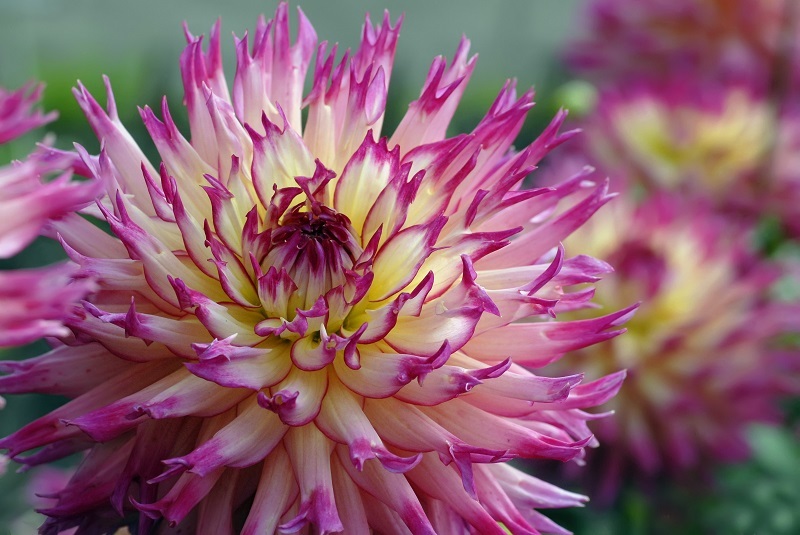
One of the most exciting aspects of hydrangea care is the ability to manipulate flower color (in certain species) by adjusting soil conditions:
- Blue Flowers: Promote by increasing soil acidity. Apply aluminum sulfate or organic amendments like pine needles.
- Pink Flowers: Encourage by raising soil alkalinity. Add garden lime to the planting bed.
Note: Only some types, such as bigleaf hydrangeas, change color based on soil pH; white-flowered varieties generally stay white.
Dealing with Pests and Diseases
Hydrangeas are generally resilient, but they can fall victim to a few common problems. Protect your hydrangea shrubs with these care tips for stunning blooms:
- Avoid overhead watering to prevent fungal issues like powdery mildew and leaf spots.
- Inspect for aphids, spider mites, and slugs regularly; remove pests by hand or treat with insecticidal soap if needed.
- Remove dead and diseased foliage. Dispose of it away from gardens to prevent the spread of infection.
- Allow proper spacing and airflow to deter the buildup of pathogens.
Special Tips for Surviving Winter
Winter can be challenging for hydrangeas, especially in colder regions. Protect your plants and set the stage for beautiful hydrangea flowers next season with these winter care techniques:
- Apply a thick mulch layer (4-6 inches) around the base after the ground freezes to insulate roots.
- For bigleaf hydrangeas in cold climates, create a burlap tent or basket filled with leaves around the shrub.
- Do not prune woody stems in autumn, as this can remove next year's flower buds.
Container Hydrangea Care in Winter
- Move pots to an unheated garage or sheltered location, or insulate with bubble wrap and mulch.
- Water occasionally so the soil does not completely dry out.
Encouraging Repeat and Longer Blooming
For bold, long-lasting floral displays, implement these advanced hydrangea care practices:
- Deadhead spent flowers except toward late fall, as fresh buds may get damaged by cold.
- Select reblooming varieties like 'Endless Summer' for multiple flushes of flowers each season.
- Keep soil consistently moist during dry spells to prevent bud drop.
Consistent care, feeding, and gentle pruning can keep your hydrangeas producing lush blooms well into autumn!
Hydrangea Care Checklist: Key Tips for Success
- Identify your hydrangea species and tailor practices to their unique flowering habits.
- Choose the right location with well-drained, fertile soil and adequate sunlight.
- Water regularly, ensuring roots never dry out completely.
- Feed with balanced fertilizer, adjusting for desired bloom colors if appropriate.
- Prune at the right time for your hydrangea's type--old wood vs. new wood.
- Monitor for pests and diseases, giving your plants good airflow and sanitation.
- Winter-protect vulnerable varieties and container-grown specimens.
- Encourage repeat bloomers with deadheading and attentive watering.
Common Hydrangea Care Mistakes and How to Avoid Them
- Over-watering or allowing roots to stand in soggy soil--Leads to root rot and stunted growth.
- Pruning at the wrong time--Can remove next year's flower buds entirely.
- Neglecting mulch--Makes your hydrangeas susceptible to drought and temperature extremes.
- Ignoring soil pH for color-changing types--Results in unexpected or faded flower colors.
- Forgetting to feed--Can result in sparse, lackluster blooms.
Frequently Asked Questions: Hydrangea Care & Bloom Troubleshooting
Why won't my hydrangea bloom?
- Improper pruning removed the flower buds.
- Plant is too young or stressed by drought/frost.
- Too much shade or overly rich nitrogen fertilizer.
Can I grow hydrangeas in pots?
- Yes! Select compact varieties, use soil-rich potting mix, and ensure ample drainage.
How do I revive a wilted hydrangea?
- Thoroughly soak the soil around the base and provide shade until recovery.
Conclusion: Mastering Hydrangea Care for Gorgeous Blooms
With these hydrangea care tips in your gardening toolkit, you're now equipped to nurture healthy hydrangeas covered in lush, colorful blossoms from spring until fall. Remember, a little attention to watering, proper feeding, thoughtful pruning, and gentle winter protection will reward you every season with truly stunning hydrangea blooms.
Apply these proven hydrangea care practices, and your garden will be the envy of the neighborhood--filled with impressive, vibrant flowers that bring beauty and joy!