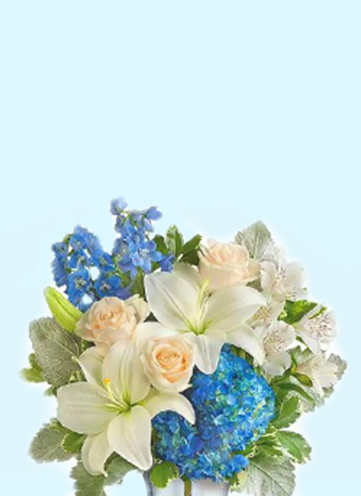
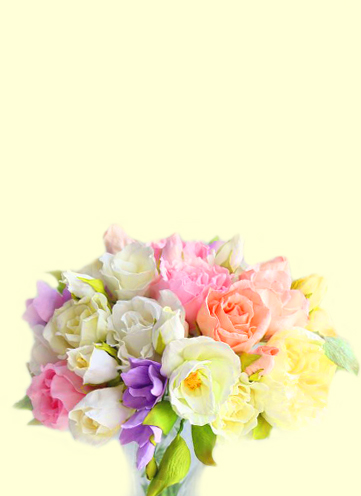
Plumstead Common wedding flowers guide for local couples
Posted on 26/09/2026
Planning wedding flowers near Plumstead Common should feel exciting, not like a second job. Yet once you start thinking about bouquets, buttonholes, table flowers, colour palettes, weather, transport, timing, and what will actually survive a London wedding day, it can get a bit messy. This Plumstead Common wedding flowers guide for local couples is here to make the whole thing calmer, clearer, and genuinely useful.
Whether you're organising a small ceremony, a bigger family celebration, or a simple reception close to home, the right flowers do more than look pretty. They shape the feel of the day, tie outfits and venue styling together, and help everything look polished in photos without trying too hard. Let's make it practical.
Table of Contents
- Why Plumstead Common wedding flowers matter
- How wedding flower planning works locally
- Key benefits and practical advantages
- Who this guide is for
- Step-by-step guidance
- Expert tips for better results
- Common mistakes to avoid
- Tools, resources and recommendations
- Law, compliance, standards and best practice
- Options, methods and comparison table
- Case study / real-world example
- Practical checklist
- Conclusion
- Frequently asked questions
Why Plumstead Common wedding flowers guide for local couples Matters
If you're getting married near Plumstead Common, your flowers need to do a few jobs at once. They should suit the season, match the venue, hold up through travel, and still look good in the late-afternoon photos when everyone is a little bit hot, a little bit emotional, and very ready for canapes. That sounds obvious, but it's exactly where many couples get caught out.
Local couples also tend to underestimate how much the setting matters. Plumstead Common and the surrounding southeast London streets can feel green, relaxed, and open one minute, then breezy and changeable the next. That affects everything from delicate petals to bouquet size. A clever floral plan takes the local feel into account instead of copying a generic wedding mood board that could belong anywhere.
And there's another reason this guide matters: wedding flowers are one of those details people remember more than you expect. Not the exact stem count. Not the technical arrangement name. What they remember is the colour at the church door, the fragrance on the table, the moment the bouquet caught the light. Those small visual cues carry a lot of the day's atmosphere.
Expert summary: The best wedding flowers for Plumstead Common couples are usually the ones that balance style, season, practicality, and venue conditions. Pretty is important. Lasting well is just as important. Maybe more.
How Plumstead Common wedding flowers guide for local couples Works
At a simple level, wedding flower planning works like this: you choose the look you want, map it against your venue and budget, decide what matters most, then build the order in layers. That usually means starting with the bridal bouquet, then the bridesmaid bouquets, buttonholes, and ceremony or table flowers.
For local couples, the practical side matters just as much as the style side. A bouquet that looks lush in a showroom may not be the best choice if you're travelling across SE18 on a warm day or carrying it around for several hours before the ceremony. Likewise, a big installation can be beautiful, but only if it fits the venue, the room size, and the setup window.
In real terms, most floral plans fall into one of three approaches:
- Minimal and elegant: a bouquet, a handful of buttonholes, and a few key table pieces.
- Balanced and coordinated: bouquet, bridesmaid flowers, boutonnieres, and ceremony plus reception arrangements.
- Full styling approach: layered florals across the ceremony, tables, entrance, and photo moments.
Truth be told, most couples land somewhere in the middle. Not too sparse, not overdone. Just enough to make the day feel finished.
If you're also looking at broader flower options for the area, a local florist in Plumstead SE18 can help you compare styles, timing, and delivery needs without the usual back-and-forth.
Key Benefits and Practical Advantages
Good wedding flowers do far more than fill space. They create cohesion. A well-chosen palette can pull together mismatched bridesmaid dresses, a patterned tie, a simple venue table, and even the look of the cake table without anyone quite noticing how it all came together. That's the magic, really.
Here are the biggest practical advantages for Plumstead Common couples:
- Better visual consistency: flowers can tie together colours, textures, and style choices across the day.
- Stronger photos: bouquets and centrepieces give your photographer natural focal points and layers.
- More control over the mood: soft whites feel different from bold reds, and a loose garden style feels very different from structured rose arrangements.
- Smarter spending: choosing a few high-impact arrangements can give you more value than scattering money across too many small pieces.
- Less stress on the day: if the flowers are planned properly, there's less scrambling, less damage, and fewer last-minute surprises.
There's also a very human benefit: flowers help a wedding feel personal. One couple may want romantic ivory and blush tones, another may lean toward bright, joyful colour, and another may want something understated and seasonal. None of those is wrong. The point is to make the day feel like yours.
Local flower planning can also reduce delivery friction. That matters more than people think. When arrangements are scheduled sensibly, you avoid the awkward "where did the bouquet go?" moment that nobody wants on a wedding morning. A small win, but a useful one.
Who This Is For and When It Makes Sense
This guide is for couples who want wedding flowers that look thoughtful without becoming a logistical headache. It's especially useful if you're planning from Plumstead, Woolwich, Abbey Wood, or nearby parts of southeast London and want the convenience of local delivery and local awareness.
It makes sense if you are:
- planning a wedding close to Plumstead Common or nearby venues
- trying to match flowers to a specific colour palette
- working within a realistic wedding budget
- looking for bouquet, bridesmaid, buttonhole, or table arrangement ideas
- wanting flowers that travel well and hold up through the day
- trying to keep the look elegant but not overblown
It also helps if you're the kind of couple who does not want to overthink everything forever. The flower choices can be made sensibly. Really. You do not need a spreadsheet for every petal, though I know some people enjoy one. Fair enough.
If you're comparing wedding-specific options, it's worth looking at a dedicated wedding flowers Plumstead SE18 page alongside the broader local florist services, because wedding arrangements tend to follow different planning, design, and delivery expectations than everyday bouquets.
Step-by-Step Guidance
Here's a practical way to plan your wedding flowers without losing the plot halfway through.
- Start with the venue and date. Indoor or outdoor? Morning or evening? Summer or winter? These details change which flowers are sensible.
- Choose your core style. Decide whether you want classic, romantic, modern, rustic, garden-inspired, or bold and colourful. This is the compass for everything else.
- Set the priority pieces. For most couples, the bridal bouquet comes first, then bridesmaid bouquets, buttonholes, and ceremony flowers.
- Pick a colour direction. You don't need an exact match for everything, but you do need the palette to feel intentional.
- Think about scale. A tiny bouquet can disappear in a full skirt, while an oversized arrangement can feel awkward with a simple dress. Balance matters.
- Check seasonality. Seasonal blooms are usually easier to source and often look more natural in the setting. If a flower is out of season, you may need an alternative.
- Plan the delivery and setup timing. Wedding flowers should arrive early enough for stress-free prep, but not so early that they spend hours in poor conditions.
- Review the final details. Confirm names, quantities, colours, ribbon choices, and any special requests. That last check saves a lot of bother.
A useful rule of thumb: make the bouquet the hero, then let the other flowers support it. If everything is shouting, nothing stands out. You want harmony, not a floral argument.
For practical care advice once the flowers arrive, a guide like flower care can be surprisingly helpful, especially if you want bouquets and table pieces to stay fresh through the whole event.
Expert Tips for Better Results
Here's where a bit of local experience makes a real difference. The most successful wedding flower plans usually do a few smart things very well rather than trying to do everything.
1. Build around one strong focal flower
It might be roses, lilies, hydrangeas, or a mixed seasonal look. Choose one visual anchor and let everything else support it. This keeps the design clean and less chaotic.
2. Use texture as much as colour
People often focus only on colour, but texture gives arrangements depth. A mix of soft petals, firmer shapes, and leafy greenery can make even a simple arrangement feel expensive and considered.
3. Keep transport in mind
Flowers that travel across southeast London should be chosen with movement in mind. Delicate blooms may need extra protection, while compact designs often travel better than very open ones.
4. Don't overload the bride's bouquet
Big bouquets look impressive in theory, but in practice they can become heavy and hard to hold for long periods. If in doubt, keep it elegant and comfortable. Your hands will thank you later.
5. Match flowers to the pace of the day
A long church service, a gap between ceremony and reception, or an outdoor photo session all affect how flowers should be prepared. If the day is spread out, you want designs that stay composed for longer.
And one slightly unglamorous but very real tip: ask how the arrangements will be packaged. The box matters. The wrapping matters. The boring bits save the day, as boring bits often do.
Common Mistakes to Avoid
Wedding flowers are easy to get wrong in little ways. None of these mistakes is disastrous on its own, but a few together can make the day feel less polished than it should.
- Choosing only from inspiration photos: pretty pictures are useful, but they do not tell you whether the flowers suit your season, venue, or budget.
- Ignoring scale: what looks lovely on a screen may be too small for the dress or too large for the table.
- Forgetting buttonholes and supporting pieces: the smaller items matter because they make the whole wedding party feel coordinated.
- Leaving final decisions too late: seasonal flowers and wedding dates can narrow options faster than couples expect.
- Overcomplicating the palette: too many colours can make the styling feel disconnected.
- Not planning for weather: wind, heat, and direct sun all affect flower longevity and structure.
One small mistake I see often is people trying to make every arrangement "special" in a different way. The result? Slightly confusing. A better approach is consistency with a couple of thoughtful details, not five competing ideas.
Tools, Resources and Recommendations
You do not need a mountain of tools to plan good wedding flowers, but a few simple resources help enormously.
- Colour inspiration boards: useful for narrowing the palette without getting lost in random images.
- Venue measurements or room photos: this helps with scale, table sizes, and placement.
- Outfit fabric swatches or photos: especially helpful if you want the flowers to complement the dress and bridesmaid looks.
- A rough wedding timeline: crucial for delivery, photography, and table setup.
- Storage and care plan: flowers need cool, safe conditions before the ceremony.
If you want to browse wedding-specific product ideas, the local collection at wedding flowers and arrangements can help you compare bouquets, buttonholes, bridesmaid flowers, and table pieces in one place.
For couples thinking about gifts or add-ons, the broader wedding gifts category can also be a handy way to round out the day. Not essential, of course, but sometimes that little extra present for a bride, groom, or bridal party feels right.
Law, Compliance, Standards, or Best Practice
Wedding flower planning is not usually a heavily regulated area, but there are still sensible standards and best practices worth keeping in mind, especially when you are working locally and handling live flowers around a busy event.
Clear ordering terms matter. Before confirming anything, make sure you understand what is included, when delivery happens, and what happens if plans change. That includes substitutions if a specific bloom is unavailable. Seasonal flowers can vary, and reputable florists normally explain this upfront.
Accessibility and venue rules matter too. If your ceremony or reception space has access restrictions, narrow entry points, lift timing, or setup windows, the flower plan should respect that. A large arrangement that cannot fit through a doorway is not a romantic problem; it is a practical one.
Allergy awareness is sensible. Some flowers have stronger scent or pollen than others, and some guests are more sensitive than others. If you know this is an issue, ask for guidance on lower-scent or lower-pollen options where possible.
Basic flower handling is part of best practice. Live arrangements should be kept cool, shaded, and secure until use. Direct sun in a warm room can shorten life quickly. Nobody wants limp petals before the speeches, let's be honest.
Waste and sustainability are worth considering. Some couples now prefer seasonal stems, reusable vases, or arrangements that can be repurposed after the ceremony. That does not have to be a grand statement. Even a modest plan is better than throwing good flowers away thoughtlessly.
For business policies, delivery terms, and wider service expectations, it also helps to review the site's general pages such as delivery information, returns and refunds, and guarantees so you know how the ordering process is handled.
Options, Methods, or Comparison Table
Different wedding flower approaches suit different couples. There is no universal best option, despite what some glossy inspiration boards imply. Here's a straightforward comparison.
| Approach | Best for | Strengths | Things to watch |
|---|---|---|---|
| Simple bouquet-led plan | Smaller weddings or tighter budgets | Clean, elegant, easier to manage | Can feel minimal if not styled carefully |
| Coordinated full-day styling | Couples wanting a polished, balanced look | Good visual flow across the day | Needs careful planning and clearer budget control |
| Statement floral design | Couples who want a bold visual impact | Memorable, dramatic, photo-friendly | Can become expensive and needs more setup space |
| Seasonal mix-and-match | Couples who value freshness and flexibility | Natural look, often strong value | Final appearance may vary slightly with availability |
If you are unsure which route suits you, ask yourself a simple question: do you want the flowers to quietly support the day, or be one of the day's main visual features? That answer usually clears up half the decision.
Case Study or Real-World Example
Here's a realistic example, without dressing it up too much.
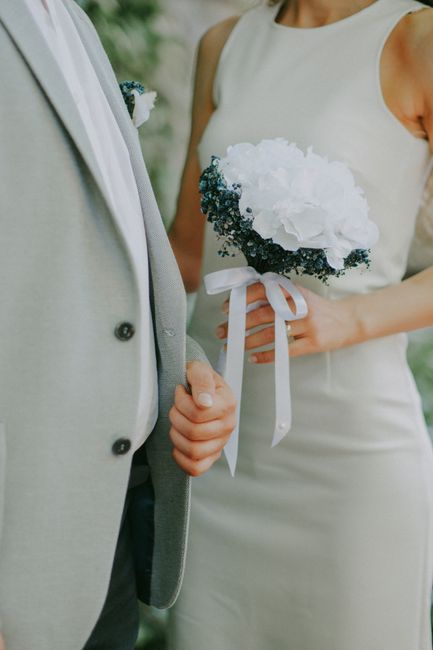
A Plumstead couple planning a late-spring wedding wanted a soft romantic look but did not want anything too fussy. They chose a main bridal bouquet in pale tones, matched bridesmaid flowers in a slightly simpler shape, and kept the buttonholes compact. Instead of spreading the budget thinly over lots of small extras, they focused on a few pieces that would actually be seen: bouquet, ceremony table flowers, and reception table arrangements.
What worked well was the restraint. The flowers did not compete with the venue or the outfits. They supported them. The arrangements also travelled easily, which mattered because the day had a slight delay between ceremony and reception. One small practical choice made the whole afternoon smoother.
What they avoided was just as important. They skipped oversized centrepieces that would have taken over the tables, and they did not try to mix too many colours. The result was calm, polished, and quietly beautiful. Not showy. Just right.
That's often the sweet spot for local couples: a look that feels personal on the day and still photographs well later when you are flicking through the album with a cup of tea and a slight "how was that already three months ago?" feeling.
Practical Checklist
Use this simple checklist before you confirm your wedding flowers.
- Have you chosen your overall style: classic, romantic, modern, rustic, or bold?
- Do the flowers suit your season and likely weather?
- Have you matched the bouquet size to the dress and personal comfort?
- Are bridesmaid bouquets, buttonholes, and table flowers coordinated?
- Have you checked venue access, setup timing, and any restrictions?
- Do you know what flowers may be substituted if needed?
- Have you confirmed delivery details and who will receive the order?
- Are any flowers especially scented or likely to trigger allergies?
- Do you have a safe place to store flowers before the ceremony?
- Have you kept a copy of your final order details somewhere easy to find?
If you tick all ten, you're in a good place. If not, no panic. Just tighten the loose ends now rather than on the morning itself.
Get a free quote today and see how much you can save.
Conclusion
The best Plumstead Common wedding flowers are the ones that fit your day, not just your Pinterest board. They should suit the season, respect the venue, travel well, and look beautiful without becoming a burden. That balance is where local expertise really helps.
For Plumstead couples, a thoughtful flower plan can make the day feel calmer and more complete. Start with the bouquet, build around the setting, keep the palette intentional, and leave room for sensible flexibility. If you do that, you will end up with flowers that feel honest, elegant, and properly yours.
And honestly, that is what most couples want in the end. Something lovely. Something manageable. Something that still feels right when you look back at it years later. A good wedding flower choice does that quietly, and that's a beautiful thing.
Frequently Asked Questions
What flowers are best for a Plumstead Common wedding?
The best flowers depend on your season, style, and budget, but many couples choose roses, lilies, hydrangeas, lisianthus, and mixed seasonal stems because they work well in bouquets and arrangements. Seasonal flowers are often the easiest starting point.
How far in advance should I order wedding flowers?
It is sensible to start planning several months ahead, especially if your date is in a busy wedding season. The earlier you begin, the easier it is to secure the style, colour palette, and quantities you want.
Can I keep wedding flowers simple and still make them look special?
Absolutely. A well-designed bouquet, a few coordinated buttonholes, and carefully chosen table flowers can look beautifully polished without a huge floral spend. Simplicity often reads as elegant rather than sparse.
How do I choose the right bouquet size?
Think about your dress, your height, and how long you will carry it. A bouquet should feel comfortable in your hands and balanced in photos. Too large can be awkward; too small can disappear.
What if a flower I want is out of season?
Most florists can suggest alternatives that give a similar shape or colour feel. It is usually better to choose a seasonal substitute than to force a bloom that may not travel or last well.
Do I need different flowers for bridesmaids and the bride?
Not necessarily different, but usually coordinated. Bridesmaid bouquets are often slightly smaller or simpler so the bride's bouquet still stands out clearly.
Are buttonholes really necessary?
They are not mandatory, but they do help the wedding party look cohesive. For many couples, buttonholes for the groom, best man, and close family are a nice finishing touch.
How do I make sure my flowers survive the day?
Keep them cool, shaded, and secure before the ceremony, and plan delivery so they are not sitting around unnecessarily. Good packaging and sensible timing make a real difference.
Can wedding flowers work with a small budget?
Yes. Focus on the most visible pieces first, then add supporting items only if the budget allows. A smaller number of strong arrangements usually looks better than lots of thinly spread extras.
What should I ask before confirming my order?
Ask about delivery timing, substitutions, care instructions, what is included in the price, and how changes are handled. It is a simple step, but it prevents avoidable stress later.
Should I choose flowers based on photo trends or personal preference?
Both matter, but personal preference should lead. Trends come and go. Your wedding photos are for you, not the internet, and the flowers should still feel right when you look back on them years later.
Is it worth using a local florist for a wedding near Plumstead Common?
Usually, yes. A local florist is more likely to understand delivery timing, area logistics, and the practical realities of a southeast London wedding day. That local awareness can save time and reduce hassle.