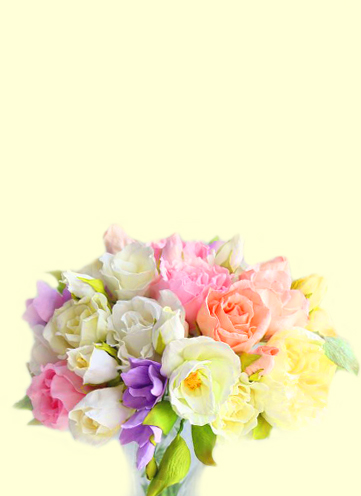
The Art of Identifying Your Personality's Flower
Posted on 22/06/2025
The Art of Identifying Your Personality's Flower
Human personalities have long been compared to various natural elements: the sea, the sky, and especially, flowers. Just as each flower type blooms distinctively, every person embodies unique patterns of thought, emotion, and interaction. The art of identifying your personality's flower is a fascinating journey toward self-awareness, personal growth, and even deeper connection with others.
In this article, we'll delve into the techniques, symbolism, and practical implications of determining which flower best represents your spirit. We'll explore the psychology behind flower symbolism, walk you through understanding your own traits, and reveal how to use this knowledge for personal transformation. Whether you're curious about which blossom describes you or eager to enrich your self-image, this comprehensive guide is for you.

Why Compare Personality to Flowers?
Flowers have captivated human imagination for centuries. From delicate cherry blossoms to resilient sunflowers, their rich variety mirrors the range of human personalities. But why use the language of flowers to identify and describe our inner selves?
- Visual Symbolism: Flowers communicate moods, behaviors, and even aspirations through their appearance and growth patterns.
- Cultural Significance: Across different societies, flowers symbolize virtues like purity, passion, or strength--qualities that also define personality types.
- Simplicity & Universality: Almost everyone relates to flowers, making this metaphor accessible for personal understanding.
By identifying your personality flower, you can better understand your strengths, potential challenges, and how you relate to others. It's all about creating a vivid, memorable picture of your authentic self.
Understanding the Language of Flowers: Floriography
Floriography is the art of assigning meanings to flowers. Victorians famously used it to convey unspoken emotions, gifting certain blooms as a wordless language. For our purpose, these associations can help you reveal which flower resonates most with your inner world.
Common Flower Meanings and their Personality Traits
- Rose: Traditionally signifies love, passion, and depth of emotion. Suits those who are romantic, complex, and magnetic.
- Sunflower: Represents optimism, enthusiasm, and positivity. Perfect for naturally cheerful and inspiring personalities.
- Lily: Symbolizes grace, dignity, and purity. Ideal for those who are poised, calm, and trustworthy.
- Daisy: Epitome of innocence, simplicity, and cheerfulness. Fits easy-going, open-hearted, and friendly individuals.
- Orchid: Conveys sophistication, uniqueness, and resilience. Matches ambitious, creative, and independent types.
- Tulip: Associated with warmth, adaptability, and hope. Great for optimistic, flexible, and nurturing people.
- Carnation: Stands for loyalty, affection, and steadfastness. Suits those who are dependable, supportive, and warm.
- Violet: Suggests modesty, thoughtfulness, and intuition. Perfect for sensitive, introspective, and empathetic personalities.
Identifying your personality's flower is about recognizing which traits describe you best and finding their symbolic match in the floral world.
Steps to Identifying Your Personality Flower
Embarking on this voyage of self-exploration may seem whimsical, but it's incredibly revealing and fun. Here's a systematic approach to discovering your personality's flower:
-
Self-Reflection and Journaling
Ask yourself:- What are my defining characteristics?
- When do I feel most myself?
- Which virtues do I value most?
-
Personality Assessments
Consider utilizing established personality tests like Myers-Briggs, the Enneagram, or the Big Five. Their results can point toward specific symbolic traits matched by flowers. -
Explore Flower Symbolism
Read guides, books, or trusted websites about the meanings of various flowers. Notice which ones you're naturally drawn to. -
Ask Loved Ones
Sometimes, others perceive us more clearly. Have friends or family describe you using nature metaphors, then correlate their descriptions to flowers. -
Visualization Exercise
Sit quietly and imagine yourself as a garden. Which flower do you see blooming at your center? Trust your intuition.
This flower personality identification process is about more than just matching traits--it's a creative and insightful method of deepening your self-knowledge.
Personalities and Their Matching Flowers: Detailed Examples
To give you more context, let's explore how some common personality archetypes align with flower symbolism:
1. The Passionate Idealist: Rose
- Key Traits: Deeply emotional, visionary, warm-hearted, sometimes dramatic
- Best Fit Flower: Rose
- Why? Just as the rose captivates with its beauty and layered petals, the passionate idealist is complex, alluring, and values meaningful connection. They love deeply and seek profound purpose in life.
2. The Joyful Optimist: Sunflower
- Key Traits: Cheerful, energetic, uplifting, social
- Best Fit Flower: Sunflower
- Why? A sunflower's face turns toward the sun, just as a joyful optimist brings light and hope to those around them.
3. The Serene Peacemaker: Lily
- Key Traits: Calm, gentle, empathetic, forgiving
- Best Fit Flower: Lily
- Why? The lily stands for tranquility and honor, echoing the serene peacemaker's quest for harmony and healing.
4. The Creative Visionary: Orchid
- Key Traits: Inventive, independent, elegant, mysterious
- Best Fit Flower: Orchid
- Why? The orchid's allure lies in its rare beauty and exotic presence, much like the creative visionary's imaginative spirit.
5. The Thoughtful Introvert: Violet
- Key Traits: Sensitive, intuitive, introspective, quiet strength
- Best Fit Flower: Violet
- Why? Violets are understated yet enchanting, mirroring the thoughtful introvert's gentle yet profound influence.
The Deeper Benefits of Knowing Your Personality Flower
Discovering your personality flower goes far beyond a fun metaphor. It provides practical and psychological benefits:
- Self-Understanding: Visual metaphors help you see yourself through a new lens, highlighting strengths and areas for growth.
- Emotional Resonance: Associating with a flower can ignite inspiration, comfort, and motivation during challenging times.
- Strengthening Relationships: Knowing your symbolic flower helps you communicate more authentically with partners, friends, and family.
- Purposeful Living: By aligning your actions and goals with your natural tendencies, you create a more harmonious and fulfilling life.
Embracing Your Flower Power: Practical Applications
1. Personal Growth and Self-Care
Identifying your flower type personality can guide self-care routines and growth plans. For example:
- If you're a sunflower type, make time for outdoor activities and social gatherings to recharge.
- If you resonate with the orchid, embrace artistic pursuits and allow for solitude when needed.
2. Improving Communication
Understanding your personality's flower--and that of others--can transform how you communicate. You'll respect differing needs and adapt your approach, just like appreciating the unique ways each plant thrives.
3. Gifts and Rituals
Knowing flower associations can add depth to personalized gifts. Gifting a "matching flower" to someone you care about can be a meaningful gesture, whether for birthdays, anniversaries, or simply to show appreciation.
Quiz: Which Flower Matches Your Personality?
To help you further with the art of identifying your personality flower, try answering the following quiz:
- How do you typically react to stress?
- A) Withdraw to reflect
- B) Seek out friends or nature
- C) Channel emotions into creative pursuits
- D) Offer support to others in need
- What environment do you thrive in?
- A) Quiet, peaceful setting
- B) Lively and energetic spaces
- C) Artistic or intellectually stimulating places
- D) Close-knit, caring communities
- Which value matters to you most?
- A) Authenticity
- B) Joy
- C) Creativity
- D) Loyalty
Tally your answers to find your general alignment:
- Mostly A: Violet or Lily
- Mostly B: Sunflower or Daisy
- Mostly C: Orchid or Rose
- Mostly D: Carnation or Tulip
Flower Personality Types in Different Cultures
The symbolic relationship between personality and flowers isn't just a Western phenomenon. Many cultures interpret flowers differently, offering you even more nuanced ways to connect with your floral archetype.
- Japan: The cherry blossom (sakura) represents the fleeting beauty of life and is often used to describe gentle, thoughtful personalities.
- China: The peony is the "king of flowers," symbolizing honor and richness--a great match for bold, ambitious people.
- India: The lotus signifies spiritual awakening, fitting for those who love introspection and personal transformation.
Respecting Seasonal Shifts: How Your Flower May Change
Identifying your personality's flower isn't always a one-time process. Just as gardens transform with the seasons, so too can your dominant traits shift over time.
- Growth phases: You might identify with a nurturing tulip while raising a family, or become more of an orchid as you focus on your career and individuality.
- Life experiences: Trauma may reveal hidden resilience (like a cactus flower!), while travel could awaken adventurous wildflower energy.
- Personal aspirations: Experimenting with new roles may temporarily bring forward a different "bloom."
Stay open to identifying new flowers at various life stages; self-discovery is a lifelong journey.

Frequently Asked Questions (FAQ) about Flower Personality Types
Can I align with more than one flower?
Absolutely! Most people are a bouquet--combining several traits. Your flower personality type serves as a symbolic focal point, not a limitation.
Are there negative flower types?
Every flower (and personality) has strengths and challenges. For example, roses have thorns, and orchids can be hard to care for. Embrace both sides for a fuller understanding of yourself.
Can your personality flower help in relationships?
Yes, recognizing your flower type (and that of a partner) can foster compassion and appreciation for each other's quirks and needs.
Conclusion: Embrace Your Unique Blossom
The journey to identify your personality's flower is more than a playful exercise--it's a powerful tool for self-understanding, growth, and connection. By delving into the symbolism and energy of your unique traits, you cultivate a deeper appreciation for your own nature and the diverse garden of souls around you.
Celebrate your bloom. Nurture it well. And remember: every flower, just like every personality, adds irreplaceable beauty to the world.
Ready to continue your journey? Leave a comment with your flower type, or share this guide to inspire someone else to *find the art in their own personality garden*!
Latest Posts
Feel-Good Flora: The Mood-Enhancing Benefits of Flowers
Learn about the favorite flowers to give on Valentine's
Unlock the secret meanings of your birth month flower
The Enigmatic Symbolism and Diverse Colours of Peony Flowers