The Enigmatic Symbolism and Diverse Colours of Peony Flowers
Posted on 01/07/2025
The Enigmatic Symbolism and Diverse Colours of Peony Flowers
Among the world's most captivating blooms, peony flowers stand out with their lush, intricate petals and a breadth of vibrant hues. Revered for centuries, these spectacular blossoms hold profound meanings in various cultures and have inspired artists, poets, and gardeners alike. In this comprehensive article, we delve into the symbolism and diverse colors of peony flowers, unraveling their mysterious allure and exploring the significance they hold around the world.
Introduction to the Peony: A Flower of Legends
Peonies are amongst the oldest cultivated flowers, their beauty dating back thousands of years. Their blooming season, usually late spring to early summer, marks a time of renewal and celebration. With origins in Asia, Europe, and North America, the genus Paeonia encompasses more than 30 species, each with its own unique characteristics. The enigmatic symbolism and rich hues of peony flowers continue to enchant flower enthusiasts and spiritual seekers today.
The Historical and Cultural Significance of Peony Flowers
The peony flower has traversed continents and ages, gathering meaning and reverence wherever it blooms. Here is a look at how various cultures have treasured these lavish blossoms:
- China: Known as the "king of flowers", the peony petals symbolize wealth, honor, and prosperity. Peonies have been heavily featured in Chinese art, poetry, and festivals since the imperial era.
- Japan: In Japanese culture, the peony is an emblem of good fortune, bravery, and a happy marriage. It is also associated with elegance and feminine beauty.
- Europe: During the Middle Ages, peonies were believed to have healing qualities. They were also used as protective amulets, warding off evil spirits.
- United States: The peony is the state flower of Indiana. It is a popular staple in American gardens, cherished for its vibrant display and low maintenance.
Mythology and Folklore: The Mystique of Peonies
The very name "peony" is steeped in myth. According to Greek legend, Peon, a physician to the gods, was transformed into the peony flower to protect him from the jealousy of his mentor, Asclepius. This story imbues peonies with connotations of healing, protection, and transformation.
In folklore, peony roots and seeds were used as charms against nightmares and misfortune. Ancient texts reference the peony as both a botanical marvel and a potent symbol of life's mysteries.
Unraveling the Symbolism of Peony Flowers
The symbolism of the peony flower is multi-faceted, varying across cultures and occasions. Some of the most prominent meanings associated with peony blooms include:
- Romance and Love: Peonies often represent romance, passion, and enduring love, making them a popular choice for wedding bouquets and anniversaries.
- Good Fortune and Prosperity: Especially in Asian cultures, peonies are viewed as auspicious, inviting luck and abundant wealth.
- Honor and Respect: The peony is synonymous with dignity, high value, and earned respect.
- Healing and Protection: As mentioned earlier, peonies have long represented healing energy and a protective charm against negative influences.
- Elegance and Beauty: The lush, delicate petals of peony flowers evoke an air of refinement and feminine beauty.
The enigmatic peony flower has also come to signify bashfulness. This stems from the belief that nymphs would hide within peonies to avoid being seen, adding yet another layer to the flower's complex persona.
Pallette of Beauty: The Diverse Colours of Peony Flowers
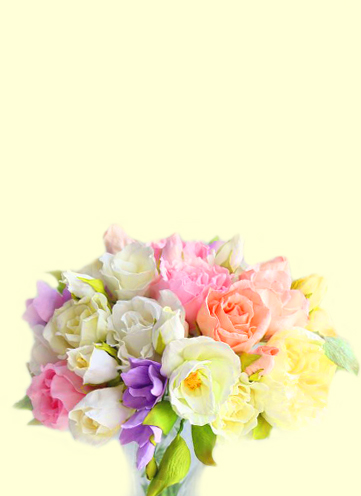
One cannot discuss the diverse colours of peonies without marveling at the sheer abundance of hues these blossoms present. From pristine whites to rich burgundies, the spectrum is as impressive as it is meaningful. Each color carries its own unique symbolism and emotional resonance.
Common Peony Flower Colours and What They Symbolize
- Red Peonies: Red peonies are emblematic of romance, love, and honor. In Chinese culture, they are frequently used in weddings and festive events to attract luck and happiness.
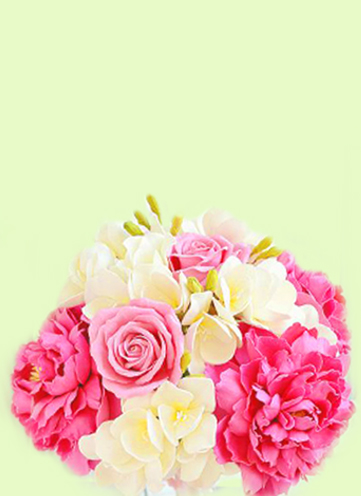
- Pink Peonies: Perhaps the most popular color, pink peonies signify femininity, joyful marriage, and heartfelt sentiments. They are at the heart of many bridal arrangements.
- White Peonies: Classic white peony flowers stand for purity, innocence, and new beginnings. These are especially suitable for weddings and baby showers.
- Yellow Peonies: Yellow varieties are less common but shine as symbols of vitality, renewal, and fresh opportunities. They are thought to bring cheer and bright prospects to anyone who receives them.
- Purple and Lavender Peonies: These rarest of peony hues evoke mystery, power, and spirituality. They are believed to foster inspiration and contemplation.
- Coral Peonies: Coral peonies have gained popularity for their vibrant yet soft appearance, representing good health and positive energy.
The full palette of peony flower colours is further enhanced by intermixing shades, intricate petal arrangements, and the subtle play of light and shadow that characterizes these beloved blooms.
The Peony in Art, Literature, and Design
The allure of the peony flower extends far beyond its garden presence. Throughout history, peonies have inspired masterpieces in art, poetry, and interior design:
- Chinese Brush Painting: The peony is a recurring subject in Chinese brush painting, symbolizing nobility and spring's arrival. Its lush form and dazzling reds and pinks serve as metaphors for abundant life.
- Japanese Tattoos: Peony flowers are frequently inked in Japanese tattoo art, their dynamic forms and symbolism representing strength, elegance, and resilience.
- Victorian Gardens and Decor: The Victorians adored peonies for their extravagance. Stately homes and gardens were adorned with these lush blooms, reflecting an appreciation for beauty and subtlety.
- Modern Design: Peonies are featured in contemporary wedding decor, home wallpaper, and textiles, their enigmatic symbolism and vibrant colors evoking timeless romance and sophistication.
Famous References to Peonies in Literature
The peony flower has played a starring role in literature, from ancient poems to modern novels. In the poetry of the Tang Dynasty, peonies reflected the grandeur of imperial gardens, while Western writers often use peonies to symbolize the fleeting nature of beauty and the complexity of love.
Growing and Caring for Your Own Peony Flowers
If the mystique and beauty of peony flowers calls to you, growing them can be a richly rewarding experience. These perennials are hardy and, when cared for correctly, can thrive and bloom for decades. Here's how to cultivate healthy, vibrant peonies:
- Planting: Choose a sunny spot with well-drained soil. Peonies do not like "wet feet"; excess moisture can lead to root rot.
- Spacing: Plant peonies about 3-4 feet apart to ensure optimal airflow and space for the full spread of their leaves.
- Soil: Amend the soil with compost before planting. Peonies prefer slightly acidic to neutral pH levels.
- Watering: While establishing, water peonies regularly. Mature plants are drought-tolerant but benefit from deep watering during dry spells.
- Support: As peonies grow, they may need staking or a support ring to prevent heavy blossoms from toppling over.
- Pruning: Cut back foliage in the fall after it yellows. This prevents disease and helps the plant rest for the winter.
With care and patience, your peony garden will reward you each year with a dazzling display of color and fragrance, serving as a living testament to these flowers' enduring symbolism.
Uses of Peonies Beyond Garden Beauty
Peony flowers are cherished not only for their visual beauty but also for their uses in various traditions:
- Medicinal Applications: Traditional Chinese medicine uses peony roots to treat a variety of ailments, trusting in the flower's reputed healing powers.
- Culinary Inspiration: Peony petals are edible in small quantities and can be used to garnish salads or desserts, lending a subtle flavor and a decorative flourish.
- Skincare and Fragrance: Peony extracts are prized in perfumes and luxury skincare products for their delicate aroma and rich antioxidants.
Conservation and the Future of Peony Diversity
The extensive variety of peony flower colors and forms is the result of centuries of breeding and selection. However, wild peony species in their native habitats face threats from habitat loss and overharvesting. Conservationists urge gardeners to support reputable nurseries and prioritize the cultivation of species and heirloom varieties, preserving the peony's genetic richness for future generations.
Conclusion: The Timeless Allure of Peony Flowers
The enigmatic symbolism and diverse colours of peony flowers offer a tapestry of meanings, emotions, and traditions that continues to bewitch and inspire. Whether celebrated for their romance, planted for good fortune, or admired for their painterly beauty, peonys' universal appeal endures across civilizations and centuries.
By planting peonies or simply admiring their blooms, we participate in a legacy of wonder that celebrates nature's artistry and humanity's love for beauty. Their kaleidoscope of hues and deep, layered symbolism make peony flowers truly one of the most magical blooms in the floral world.
Key Takeaways on the Symbolism and Colours of Peony Flowers
- Peony flowers symbolize love, luck, prosperity, healing, honor, and beauty.
- Their diverse range of colours--from red to pink, white, yellow, purple, and coral--adds depth to their meaning.
- Culturally, the peony is an emblematic flower in China, Japan, Europe, and beyond.
- Peonies are cherished in the arts, literature, gardens, and holistic health traditions.
- Conservation efforts are important to maintain peony diversity for future generations.
Discover the joy and mystique of peony flowers in your garden or bouquet, and let their colors and symbolism enrich your life with every bloom.
```